My terrier mix, Pickle, used to spend every summer thunderstorm wedged behind the washing machine. If you've watched your dog shake, pant or try to dig through a door when the sky rumbles, you know how helpless it feels. The good news: there's a lot you can do.
Recognizing stress signals
Not every anxious dog trembles. Watch for subtler signs too:
- Panting when it isn't hot, yawning, lip licking
- Pacing, whining, or following you from room to room
- Hiding, trying to escape, or scratching at doors
- Tucked tail, ears pinned back, wide "whale eyes"
- Accidents in the house from a well-trained dog
Build a safe space before you need it
Choose a quiet, interior room or a covered crate your dog already likes. Add a favorite bed, a worn T-shirt that smells like you, and some white noise or soft music. Let your dog choose to go there — never lock them in during a storm, which can make panic worse.
During the storm
- Stay calm and nearby. Comforting a scared dog doesn't "reward" fear. Gentle, steady presence helps.
- Close curtains to block flashes and muffle sound.
- Offer something to do: a lick mat, a frozen stuffed toy or a sniffing game.
- Try a snug wrap or anxiety vest — some dogs find gentle pressure soothing.
The goal isn't a dog who loves thunder. It's a dog who knows they're safe while it happens.
Desensitization: the long game
On calm days, play recordings of thunder or fireworks at a very low volume while your dog eats or plays. Over weeks, raise the volume slowly — always staying below the level that causes stress. Pair the sound with something wonderful, like chicken or a favorite game. A certified trainer or veterinary behaviorist can build a plan for your specific dog.
Where supplements fit in
Calming supplements can be one piece of a bigger plan. Ingredients like L-theanine, chamomile and reishi are popular because they're gentle and well tolerated. Our Calm soft chews combine those with lion's mane and lemon balm. They work best given daily, or 30 to 60 minutes before a predictable event like the Fourth of July.
But a supplement isn't a substitute for training — and it's not right for every dog.
When to call your veterinarian
If your dog injures themselves trying to escape, can't recover for hours after a storm, or is getting worse year to year, please talk with your vet. Severe noise aversion is a real medical concern, and there are prescription options that can make a huge difference. Always ask before combining supplements with any medication.
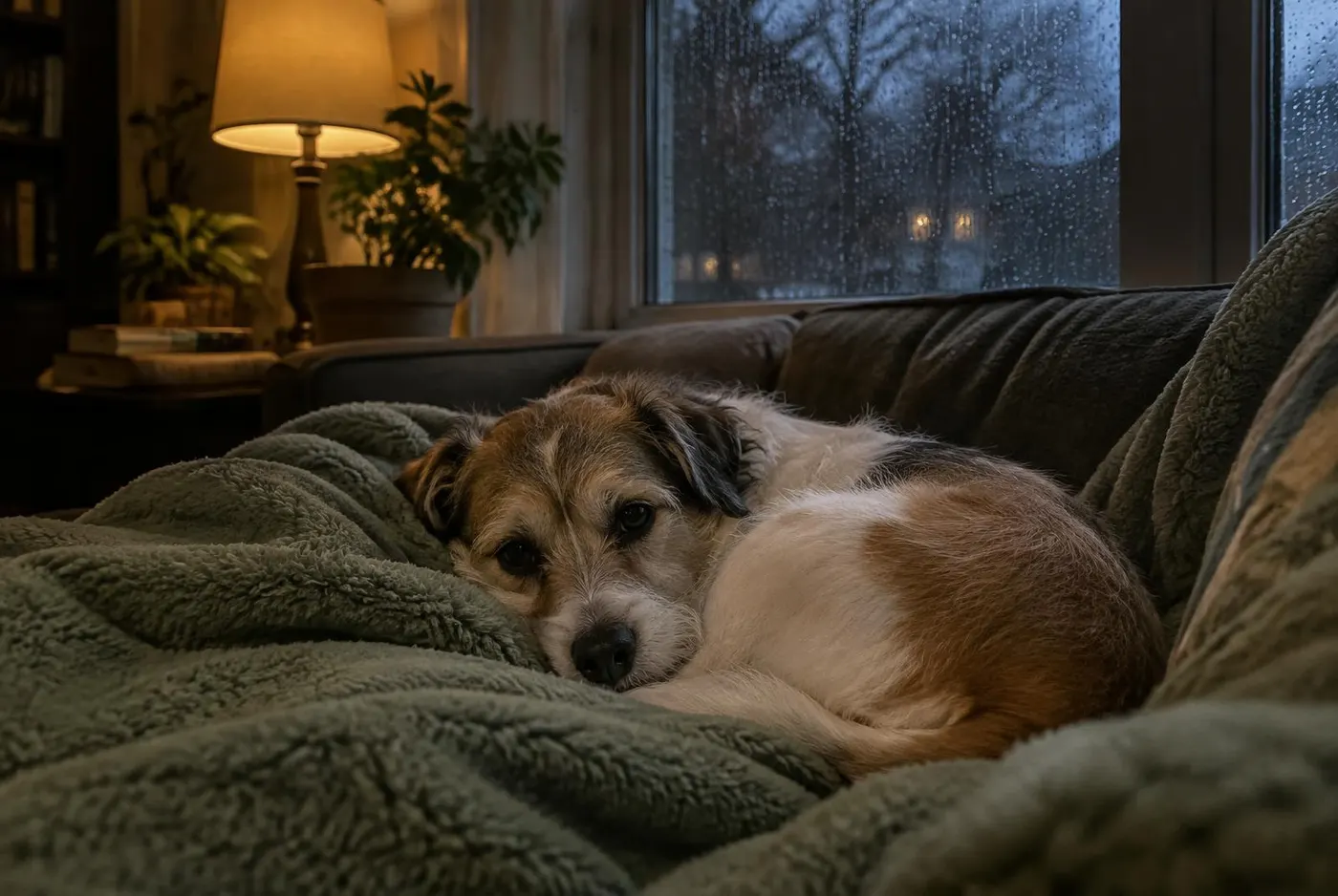
Pickle still isn't a fan of thunder. But these days she naps in her covered crate with a chew toy while it rolls by — and that feels like a win.